
Artificial & Natural Sweeteners: What Chiropractors Should Know
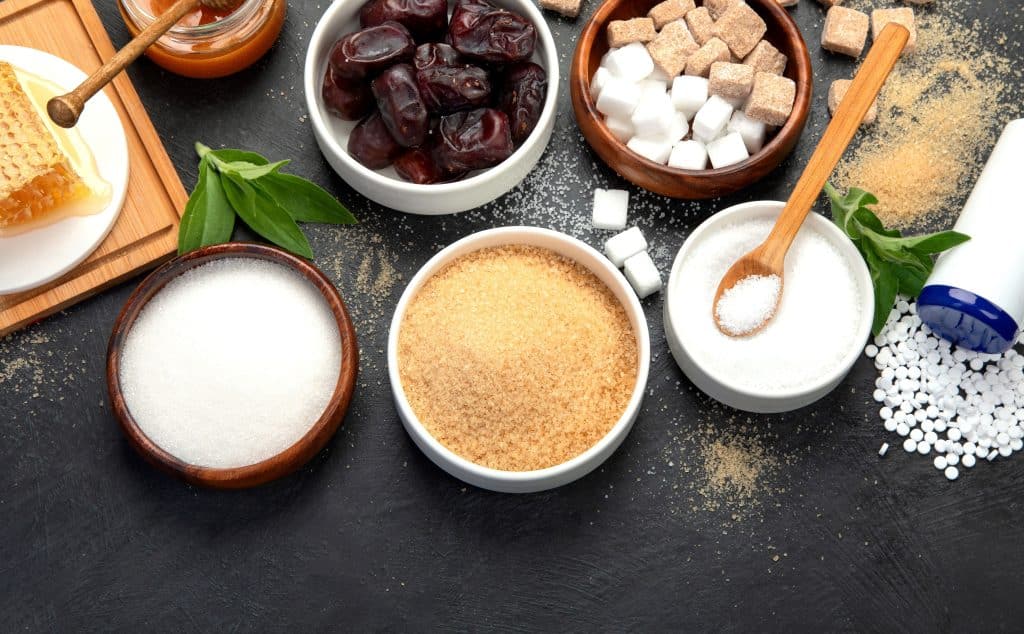
As awareness of gut health continues to rise, clinicians are frequently asked about the safety of artificial sweeteners—and whether they may disrupt the gut microbiome. While marketed as healthier alternatives to sugar, common sweeteners like sucralose, saccharin, and aspartame have stirred controversy, particularly around their impact on digestive health.
Additionally, the search for healthier alternatives to added sugars and artificial sweeteners, natural sweeteners like stevia, monk fruit, and thaumatin are gaining attention for their safety and potential health benefits.
As a chiropractor, understanding the science behind these alternatives equips you to better guide patients in making informed dietary decisions in a landscape crowded with mixed messages.
Why Gut Health Matters in Clinical Nutrition
The gut microbiome plays a vital role in regulating immune response, inflammation, nutrient absorption, and even mood. As healthcare providers, we now recognize that maintaining microbiota balance is essential to overall wellness. Because many patients are turning to “diet” or “sugar-free” alternatives, understanding how these compounds interact with gut bacteria is clinically relevant.
Common Artificial Sweeteners and How They’re Metabolized
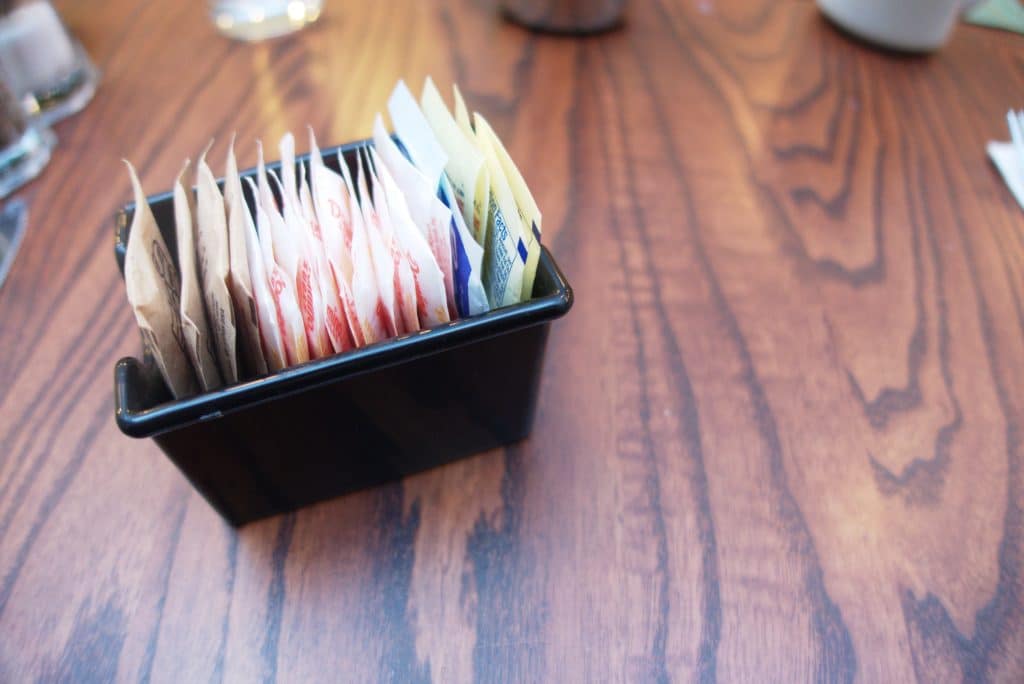
The six artificial sweeteners approved by the FDA include sucralose, saccharin, aspartame, acesulfame potassium (Ace-K), neotame, and advantame. These compounds are chemically synthesized and significantly sweeter than sugar, meaning only small amounts are needed.
While most are considered non-caloric because they’re poorly absorbed, some are partially metabolized by gut flora—raising questions about their effect on the microbial ecosystem.
What the Research Shows About Artificial Sweeteners and Microbiota
📌 Animal Studies Raise Concerns
Several animal studies have shown that high doses of artificial sweeteners can disrupt gut bacteria diversity and composition. For example, a 2022 study in mice linked sucralose to increased intestinal permeability and a rise in pro-inflammatory bacterial strains.1 Other research found that Splenda® consumption promoted dysbiosis and even increased E. coli overgrowth in murine models.
📌 Human Studies Are Less Conclusive
However, human studies tell a more nuanced story. A 2021 randomized controlled trial found that short-term consumption of saccharin at maximum acceptable levels did not significantly alter the gut microbiome in healthy men and women.
Another review in 2019 concluded that changes to gut bacteria seen in rodent studies may not translate to real-world human scenarios due to dosage differences and species-specific metabolism.
Clinical Implications and Recommendations for Practice
As with most things in nutrition, context and dosage matter. While heavy consumption of artificial sweeteners—especially in combination—may alter gut flora, most patients consume well below the established ADI (acceptable daily intake).
Clinicians should be aware that:
- Some individuals (e.g., those with IBS or inflammatory gut conditions) may be more sensitive to artificial sweeteners
- Mixed use of multiple sweeteners across foods and drinks can increase cumulative exposure
- Natural sweeteners like stevia or monk fruit may offer safer alternatives with fewer microbiome concerns
Incorporating questions about sweetener use into patient dietary assessments can provide valuable insight.
Natural Sweeteners: The Science on Stevia, Monk Fruit, and Thaumatin
In the search for healthier alternatives to added sugars and artificial sweeteners, natural sweeteners like stevia, monk fruit, and thaumatin are gaining attention for their safety and potential health benefits. As a chiropractor, understanding the science behind these alternatives equips you to better guide patients in making informed dietary decisions.
Why Natural Sweeteners Matter in Clinical Nutrition
Many patients seek to reduce sugar intake due to concerns around inflammation, metabolic health, or chronic disease. However, they’re often wary of artificial sweeteners due to mixed messaging about safety.
This is where natural sweeteners offer a strategic advantage. Derived from plants, they often provide sweetness without calories, minimal glycemic impact, and fewer digestive side effects than sugar alcohols or synthetic compounds.
Let’s explore the most promising natural options—and the evidence that supports their use.
Stevia: Evidence-Based Benefits and Safety
Stevia, derived from the Stevia rebaudiana plant, contains steviol glycosides that can be up to 300 times sweeter than sugar. These compounds pass through the body unmetabolized, making stevia virtually non-caloric.
✅ Clinical Highlights:
- A 2020 meta-analysis found stevia may help reduce blood glucose and insulin levels in both healthy and diabetic populations.
- The WHO and FDA recognize steviol glycosides as safe, with an acceptable daily intake (ADI) of 4 mg/kg body weight/day.
- Unlike sucralose or aspartame, stevia has not shown adverse effects on gut microbiota in human studies.
Monk Fruit (Luo Han Guo): Antioxidant Sweetness Without the Guilt
Monk fruit sweetener comes from the Siraitia grosvenorii plant and contains mogrosides, which are intensely sweet but non-glycemic.
✅ Clinical Highlights:
- Monk fruit has been used for centuries in Traditional Chinese Medicine to treat coughs and colds.
- Early studies indicate antioxidant and anti-inflammatory properties from mogrosides.
- Its sweetness comes without spiking blood sugar or insulin, making it safe for diabetics and metabolic patients.
Another bonus? Monk fruit tends to have a cleaner taste profile than stevia for some consumers, with fewer bitter notes.
Thaumatin: A Rare Sweetener with Big Potential
Thaumatin is a plant protein extracted from the katemfe fruit native to West Africa. It’s up to 3,000 times sweeter than sugar, but it’s rarely used due to limited availability.
✅ Clinical Highlights:
- As a protein-based sweetener, thaumatin may interact differently with the palate, enhancing flavor perception.
- Preliminary studies show it’s non-cariogenic, non-caloric, and has no glycemic impact.
- GRAS (Generally Recognized as Safe) by the FDA, it’s being explored in functional foods and pediatric formulas.
While not yet mainstream, thaumatin offers exciting potential in specialized nutrition applications.
When to Recommend Natural Sweeteners to Patients
As a clinician, you might consider recommending stevia, monk fruit, or thaumatin in the following cases:
- Patients with diabetes or prediabetes looking to manage glycemic load
- Individuals trying to reduce added sugars without turning to artificial sweeteners
- Patients with gut sensitivity or IBS, who struggle with sugar alcohols or sucralose
- Those with inflammation-related conditions, including autoimmune or neurodegenerative issues
Emphasize that “natural” doesn’t mean unlimited use—but these sweeteners can support health when used in moderation as part of a whole-foods-based approach.
Final Takeaway: Balancing Science with Patient Guidance
Natural sweeteners represent a low-risk, high-reward category in clinical nutrition. Whether a patient is looking to lower sugar intake or avoid artificial compounds, stevia, monk fruit, and thaumatin offer safer, evidence-backed choices. Integrating these into your dietary recommendations can align well with chiropractic principles of supporting natural healing and metabolic balance.
There’s no definitive evidence that artificial sweeteners cause long-term gut harm at standard intake levels in humans—but certain types (saccharin, sucralose) may deserve closer monitoring in sensitive populations. Chiropractors should continue to watch for emerging research while providing balanced, non-alarmist guidance rooted in evidence and patient context.
Want to Learn More and Earn CE?
Content from this blog derived from Nutrition 171: Nutritional Considerations of Artificial Sweeteners by Gary Italia, DC, PhD. LEARN MORE ABOUT THE COURSE.
Sources
- Ban, Qingfeng et al. “Effects of a synbiotic yogurt using monk fruit extract as sweetener on glucose regulation and gut microbiota in rats with type 2 diabetes mellitus.” J Dairy Sci. 2020 Apr;103(4):2956-2968.
- Conz, A et al. “Effect of Non-Nutritive Sweeteners on the Gut Microbiota.” Nutrients. 2023 Apr 13;15(8):1869.
- Czarnecka, K et al. “Aspartame-True or False? Narrative Review of Safety Analysis of General Use in Products.” Nutrients. 2021 Jun 7;13(6):1957.
- Daher, M et al. “Trends and amounts of consumption of low-calorie sweeteners: A cross-sectional study.” Clin Nutr ESPEN. 2022 Apr;48:427-433.
- EFSA Panel on Food Additives and Flavourings (FAF); Maged Younes. “Re-evaluation of thaumatin (E 957) as food additive.” EFSA J. 2021 Nov 30;19(11):e06884.
- EFSA Panel on Food Additives and Flavourings (FAF); Maged Younes et al. “Safety of use of Monk fruit extract as a food additive in different food categories.” EFSA J. 2019 Dec 11;17(12):e05921.
- Li, Chung-Hao et al. “Long-term consumption of the sugar substitute sorbitol alters gut microbiome and induces glucose intolerance in mice.” Life Sci. 2022 Sep 15:305:120770.
- Lobach, AR et al. “Assessing the in vivo data on low/no-calorie sweeteners and the gut microbiota.” Food Chem Toxicol. 2019 Feb;124:385-399.
- Magnuson, BA et al. “Critical review of the current literature on the safety of sucralose.” Food Chem Toxicol. 2017 Aug;106(Pt A):324-355.
- Méndez-García, LA et al. “Ten-Week Sucralose Consumption Induces Gut Dysbiosis and Altered Glucose and Insulin Levels in Healthy Young Adults.” Microorganisms. 2022 Feb 14;10(2):434.
- Orku, SE et al. “The effect of regular consumption of four low- or no-calorie sweeteners on glycemic response in healthy women: A randomized controlled trial.” Nutrition. 2023 Feb;106:111885.
- Pozo, et al. “Potential Effects of Sucralose and Saccharin on Gut Microbiota: A Review. Nutrients.” 2022 Apr 18;14(8):1682.
- Ruiz-Ojeda, FJ et al. “Effects of Sweeteners on the Gut Microbiota: A Review of Experimental Studies and Clinical Trials.” Adv Nutr. 2019 Jan 1;10(suppl_1):S31-S48.
- Samuel, P et al. “Stevia Leaf to Stevia Sweetener: Exploring Its Science, Benefits, and Future Potential.” J Nutr. 2018 Jul 1;148(7):1186S-1205S.
- Shaher, SA et al. “Aspartame Safety as a Food Sweetener and Related Health Hazards.” Nutrients. 2023 Aug 18;15(16):3627.
- Tey, SL et al. “Effects of aspartame-, monk fruit-, stevia- and sucrose-sweetened beverages on postprandial glucose, insulin and energy intake.” Int J Obes (Lond). 2017 Mar;41(3):450-457.
- Thomson, P et al. “Short-term impact of sucralose consumption on the metabolic response and gut microbiome of healthy adults.” Br J Nutr. 2019 Oct 28;122(8):856-862.
- Van den Abbeele, Pieter et al. “Low-no-calorie sweeteners exert marked compound-specific impact on the human gut microbiota ex vivo.” Int J Food Sci Nutr. 2023 Sep;74(5):630-644.
